
World Bank Opens Financing Gateway for Egypt’s Mining Sector


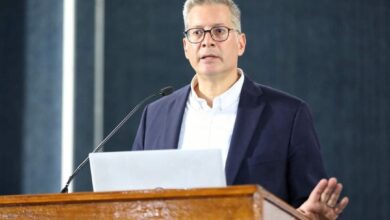
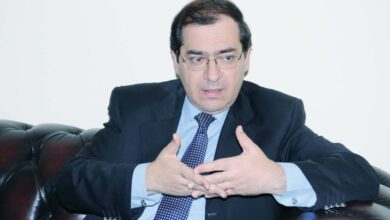
On the sidelines of the International Mining Conference held in Riyadh, Saudi Arabia, Eng. Karim Badawi, Egypt’s Minister of Petroleum and Mineral Resources, met with Robert Schlutterer, Director of Policy and Legislation at the World Bank Group, to explore avenues of cooperation aimed at supporting Egypt’s mining sector as a key driver of economic growth in the coming period.
World Bank Opens Financing Gateway for Egypt’s Mining Sector
During the meeting, the Minister outlined Egypt’s strategic vision for developing the mining sector, which targets increasing its contribution to GDP from around 1% currently to between 5% and 6% over the coming years.
This direction reflects the government’s ambition to broaden the export base, boost foreign-currency revenues, and create new employment opportunities across the full mining value chain.
In this context, Eng. Badawi noted that Egypt has made significant progress in implementing comprehensive structural and legislative reforms to rebuild the sector on modern economic foundations.
At the forefront of these reforms is the transformation of the Mineral Resources Authority into an economic authority, granting it greater flexibility in managing resources, faster decision-making, and improved investor services. This shift has strengthened international confidence in Egypt’s mining market and led to a growing number of agreements in recent months.
The two sides also discussed opportunities to expand cooperation with the World Bank Group and its affiliated institutions, particularly the International Finance Corporation (IFC) and the Multilateral Investment Guarantee Agency (MIGA), especially in financing exploration projects, managing investment risks, and providing guarantee and insurance instruments. These tools are expected to further encourage the participation of both local and foreign private investors in developing Egypt’s mineral wealth.
The meeting further addressed the importance of upgrading and modernizing geological databases in line with international standards, as well as expanding digital solutions and electronic licensing platforms. These measures will enhance transparency, facilitate access to information, and shorten investment procedures, thereby strengthening the overall competitiveness of Egypt’s business environment.
Both sides also stressed the importance of embedding sustainable mining practices by strengthening environmental management, building human capacity, upgrading technical skills, and increasing the participation of local communities in mining areas to ensure balanced development and maximize socio-economic impact.
At the conclusion of the meeting, the two parties reaffirmed the importance of continued institutional coordination and cooperation in the period ahead, in support of Egypt’s economic development goals and its growing position on the global mining map as a promising and attractive destination for international investment in this vital sector.